
The Ngā Taonga Tuku Iho project aims to restore the mauri (life principle / force) of coastal ecosystems by bringing weaving, language, and ecology together. It is focussed on pīngao (Ficinia spiralis – also known as pīkao), a golden-leaved, grass-like plant (a sedge) that grows on active sand dunes of Aotearoa New Zealand.
The project runs from July 2026 to November 2028, led jointly by Te Ranga Tukutuku AUT Māori Research Network and Te Whare Tūroa AUT Regenerative Environments Research Network, and funded by Coastal People: Southern Skies, a Centre of Research Excellence.
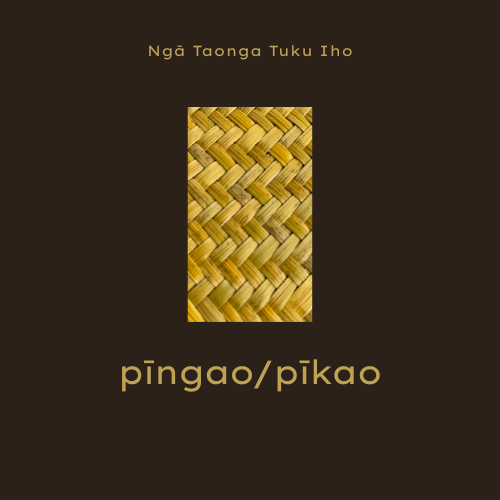
The overarching aim of this project is to strengthen the wellbeing and resilience of coastal communities by restoring culturally grounded relationships with pīngao, weaving practice, language, and active sand-dune ecosystems. The research is designed to place mātauranga Māori, Pacific knowledge, and community perspectives at the centre, while using ecological science to support kaitiakitanga of active sand dunes, and long-term adaptation to environmental change.
The specific objectives are to:
At the heart of this project is a story – a kōrero that speaks to the deep relationship between pīngao (pīkao), kākaho (the stem of toetoe), and the art of tukutuku. This version of the story is borrowed from Te Papa Atawhai The Department of Conservation.
Pīngao (pīkao) was one of the seaweed children on the fringes of the sea. From her home she looked up to the land and saw the young and handsome kākaho dancing on the sand dunes. Each time kākaho made his appearance, pīngao became more and more enamoured. Finally she asked permission from Tangaroa (Takaroa) to leave the sea to meet her lover. Tangaroa granted her permission with words of warning that she would never make it.
Driven by blind love, pīngao left the seaweed and crawled across the hot sand. As she struggled up she began to call to the kākaho – but he was interested only in himself. He was in love with his own shape and did not answer pīngao's calls. In desperation she called back to Tangaroa, who could do nothing but shower her with spray. And there on the sand dunes, the pīngao remains to this day.
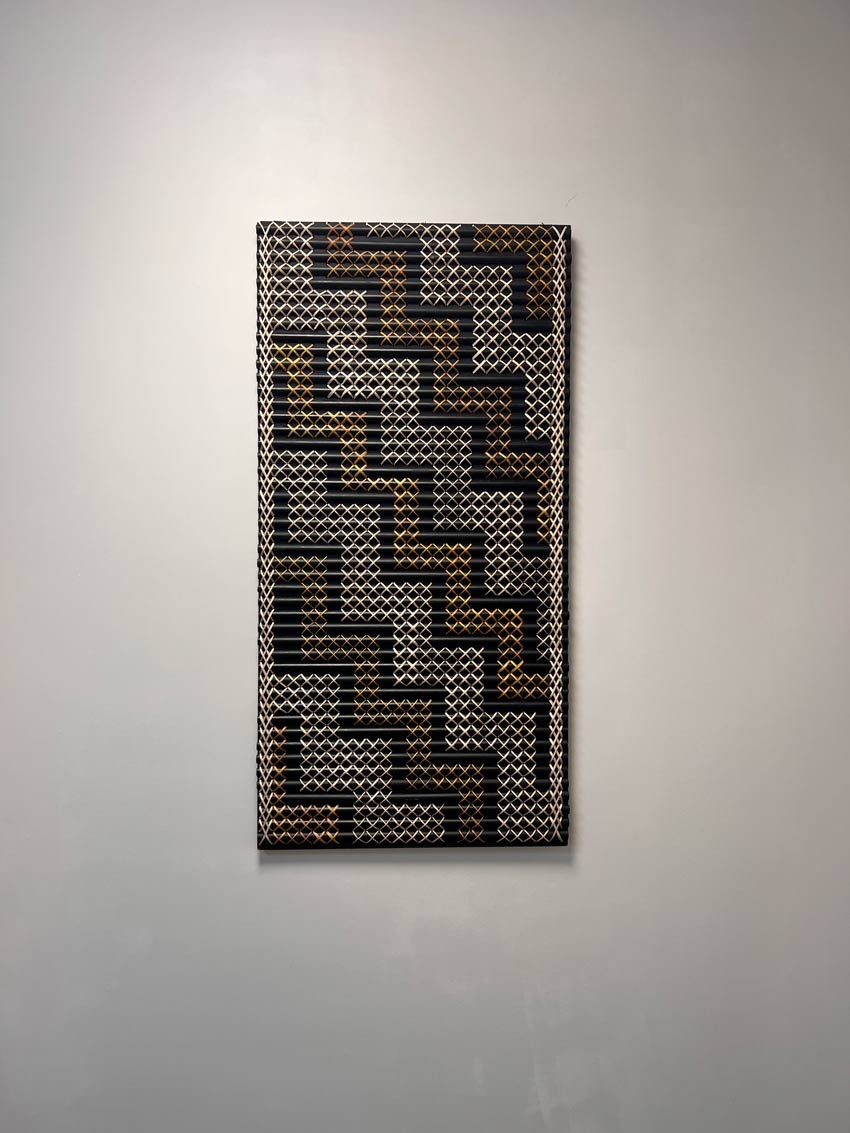
The children of Papatūānuku however intervened in the story, and they harvested the pīngao and the kākaho and united them in the tukutuku panels on the walls of the wharenui. Each whatu or stitch on the tukutuku is known as a living eye and represents a link from the tribal ancestors to the unborn of tomorrow.
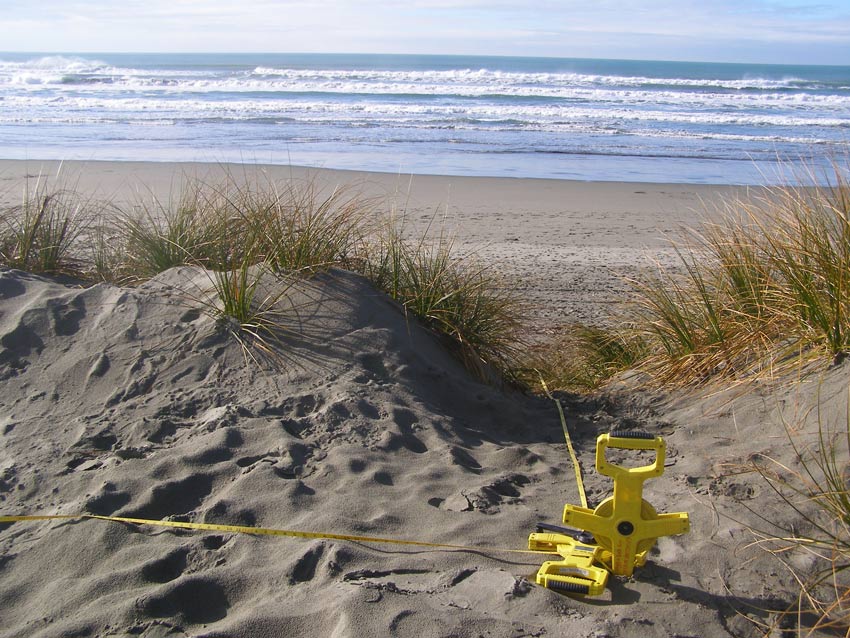
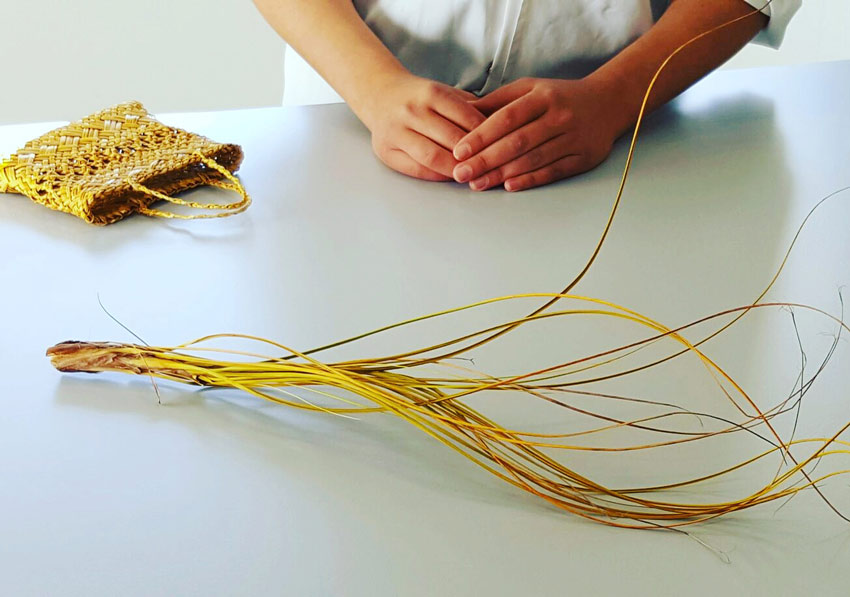
Despite decades of coastal restoration work by many different groups, pīngao (pīkao) populations are classified as “At Risk – Declining” under the New Zealand Threat Classification System. Its potential loss is a significant concern because pīngao is one of the primary materials used in tukutuku, the ornamental lattice work found in wharenui, which encodes whakapapa, relationships, and cultural identity. If pīngao disappears, so does a foundational element of this living art form.
Healthy pīngao populations are also ecologically foundational. Pīngao forms dynamic, active sand dunes, supporting nesting birds, coastal invertebrates, and other species including toheroa. Dune ecosystems provide a buffer against coastal erosion, storm surge, and sea level rise. Restoring pīngao is a contribution to climate resilience as well as cultural continuity.
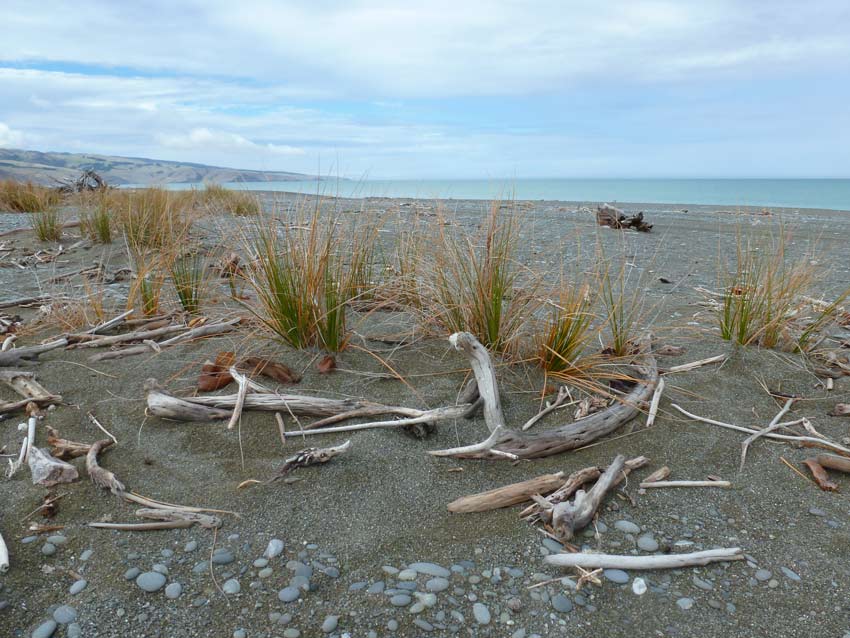
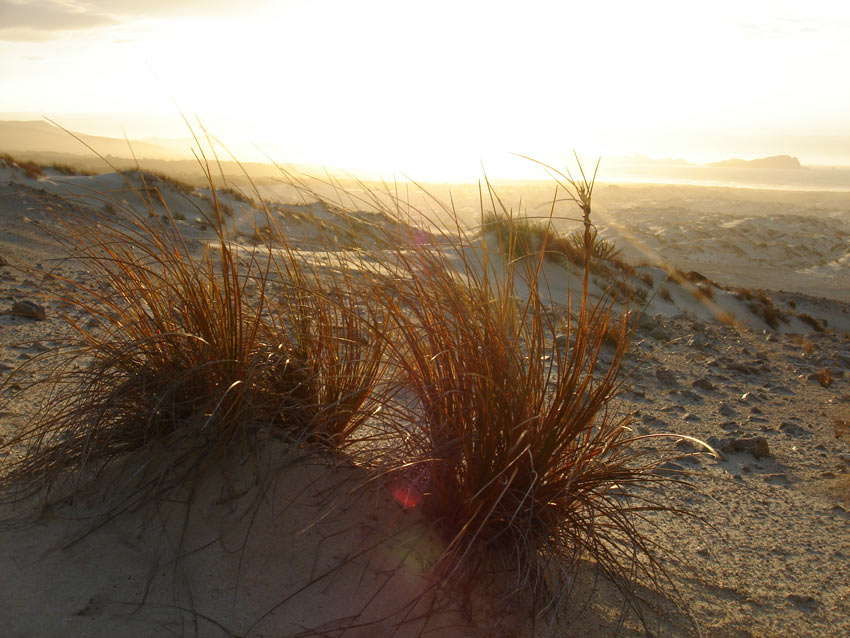
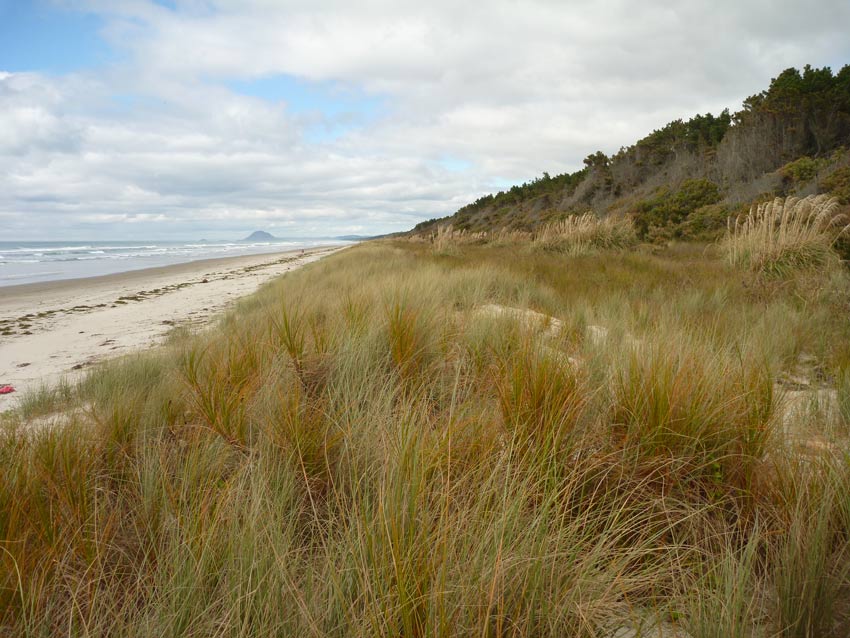
Ngā Taonga Tuku Iho comprises experts from many fields including Māori and Pacific researchers, weavers from the Raukura Weavers Collective and scientists with expertise in dune ecology and geomorphology, plant ecology and applied geospatial science at both AUT and the University of Otago.
The project also extends beyond Aotearoa, with a Pacific knowledge exchange component connecting researchers and weavers in the Cook Islands, where similar fibre plants, weaving traditions, and pressures exist alongside rich knowledge of adaptation and stewardship.
The project uses kaupapa Māori methodologies including wānanga, hui, oral histories, and participatory storytelling alongside Pacific frameworks of talanoa and ‘uipa’anga.
Documentation of mātauranga, language associated with pīngao and coastal dune environments, and knowledge of gathering and cultivation practices will be developed in te reo Māori and English. All knowledge will remain under the authority of knowledge holders, guided by Indigenous data sovereignty principles.
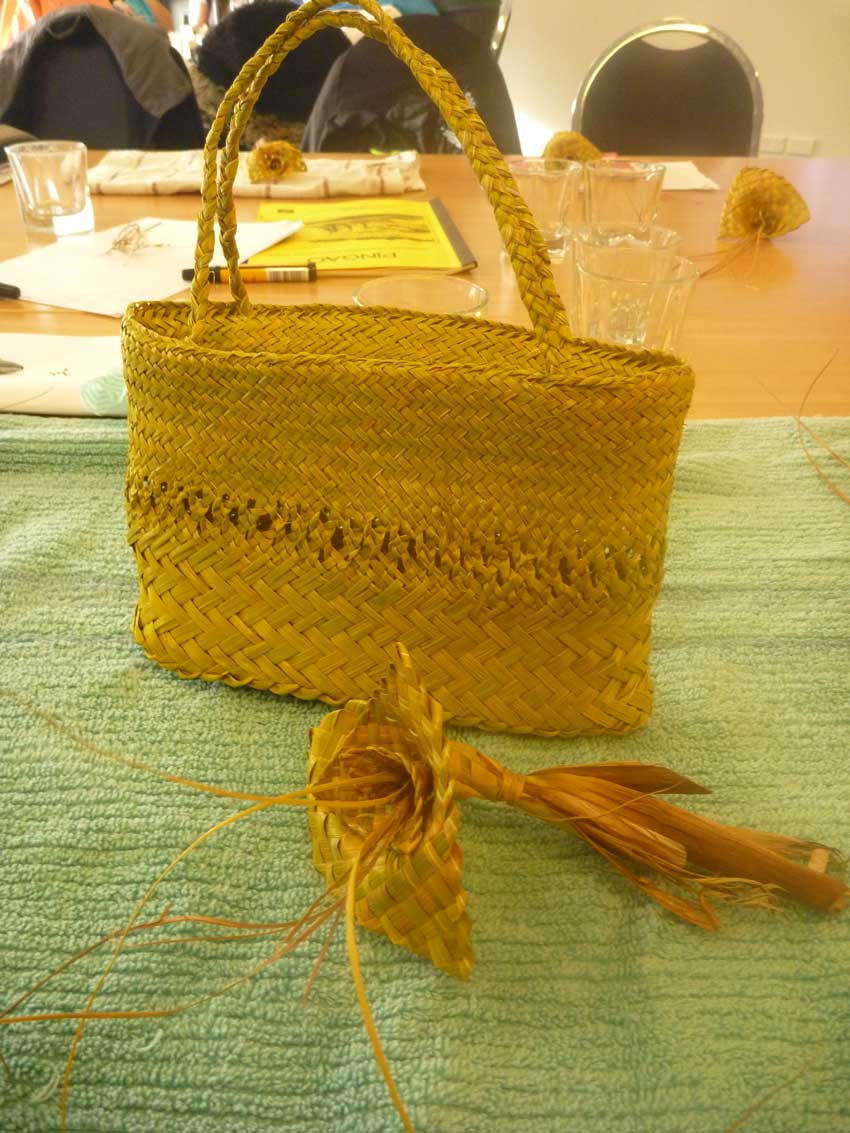
Ngā Taonga Tuku Iho reaches beyond Aotearoa to the Cook Islands, where researchers and weavers are navigating related challenges: similar fibre plants, rich weaving traditions, and increasing pressures from climate change and land use change.
Collaborations with whānau in the Cook Islands are exploring how they are protecting the plants and fibres used for weaving in the face of climate change, and what the historical relationship between Aotearoa and the Cook Islands can tell us about the mātauranga contained in both languages.
This Pacific dimension situates the project in a broader Tangata Moana context, recognising that the challenges facing pīngao and tukutuku are part of a wider story of how Indigenous communities across the Pacific are working to protect their knowledge, their plants, and their cultural practices for future generations.
Do you work with pīngao (pīkao)? Would you like to learn more about this research project or get involved? Please get in touch so that we can connect!
Address: Te Ipukarea Research Institute
Te Ara Auaha, Faculty of Design & Creative Technologies
Mail code: D-64
Level 10, WG Building
AUT University
55 Wellesley Street East
Auckland 1142
Phone: 09 921 9999 ext 6526